JARED BARIBEAU
Hey 👋 Welcome to my site. Please make yourself at home! 🪴 𓂃..


Hey 👋 Welcome to my site. Please make yourself at home! 🪴 𓂃..
I'm Jared! I'm an engineer and social impact entrepreneur. I love drinking coffee, building robots, and hunting for adventure.
Below is a collection of things I've created - some at work, some on the side. If you'd like to talk shop, or just hear a little more about one of my projects, get in touch.
🌎 Social Impact 🌱 Sustainability 🛠️ Engineering 🏂 Adventure
Probes that detect concepts in a model's activations are widely relied upon for both safety evaluation and deployment monitoring; however, what a probe actually detects may not exactly match what was intended.
My research: Does a Probe Mean What It Says? Auditing Probes with Natural Language Autoencoders
Read the report →Building an agent to triage incoming support requests and troubleshoot issues in the IoT device net.
Visit Smartex.ai →Bringing the iOS app to Android.
Visit presh.app →Are you working in AI safety or alternative protiens?
Let's chat →
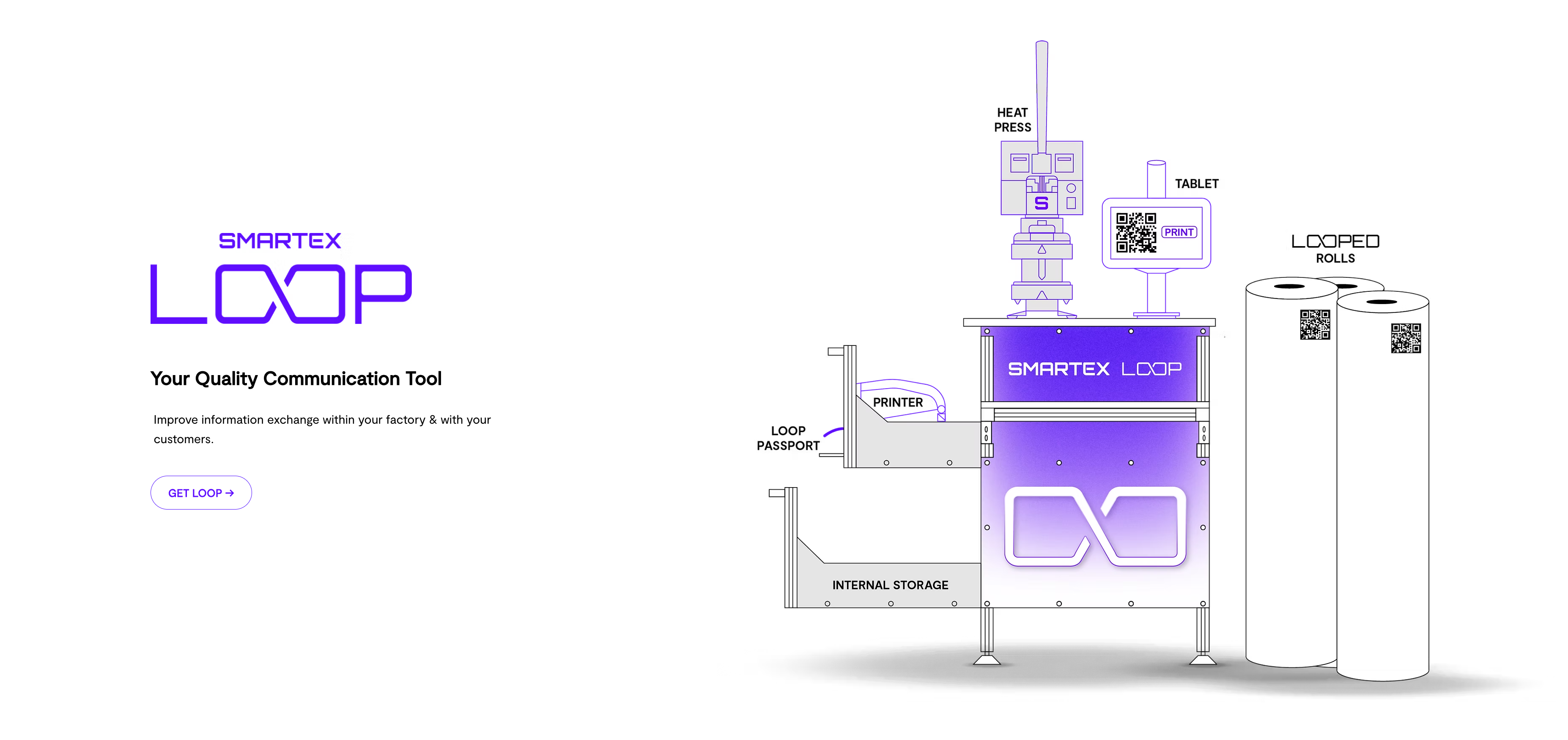
Smartex.ai | Textile Traceability Platform 2023-24
Smartex.ai | Textile ERP Integrations 2024-25
Demine Robotics | Landmine Clearance Robots 2018-22

Presh.app | 10-Minute Phone Calls 2026
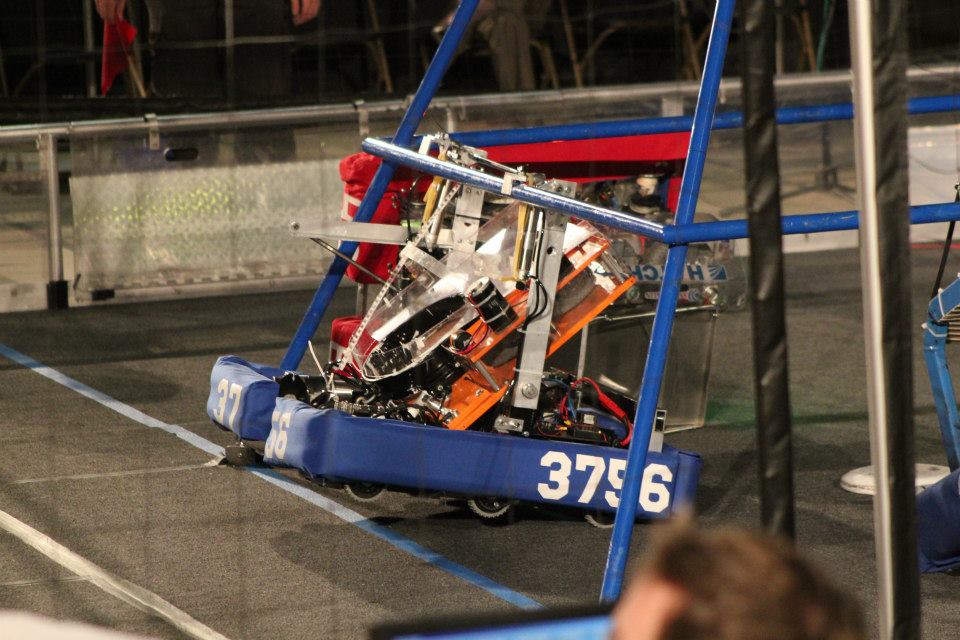
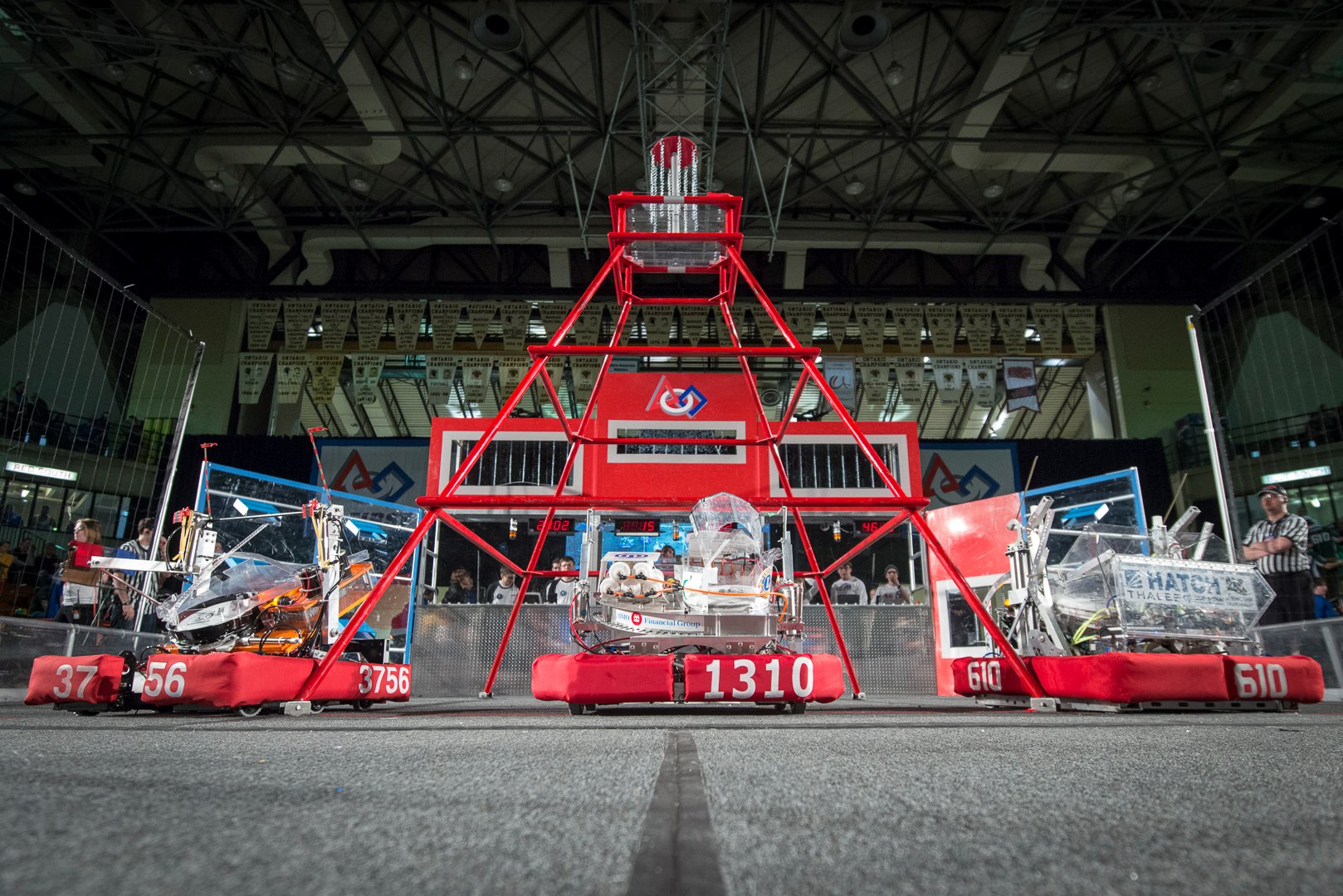
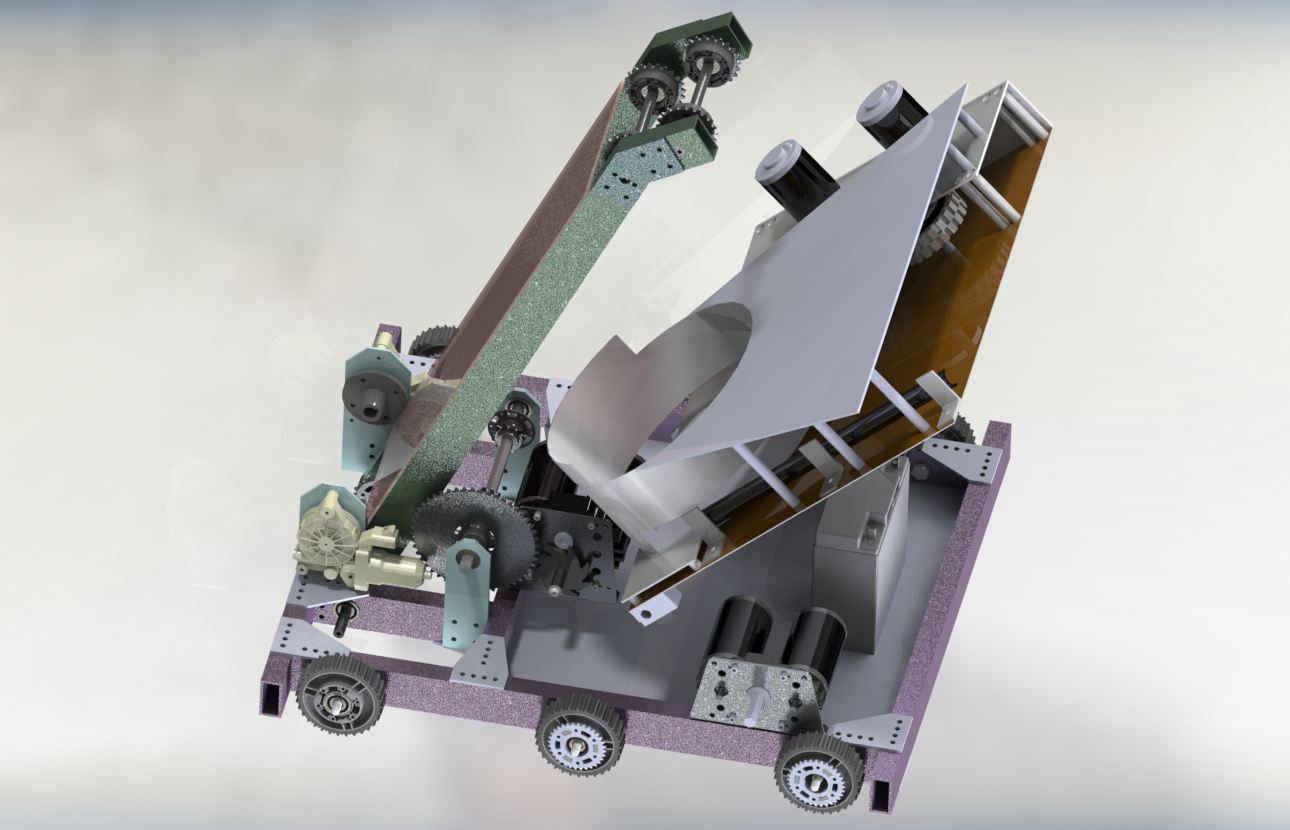
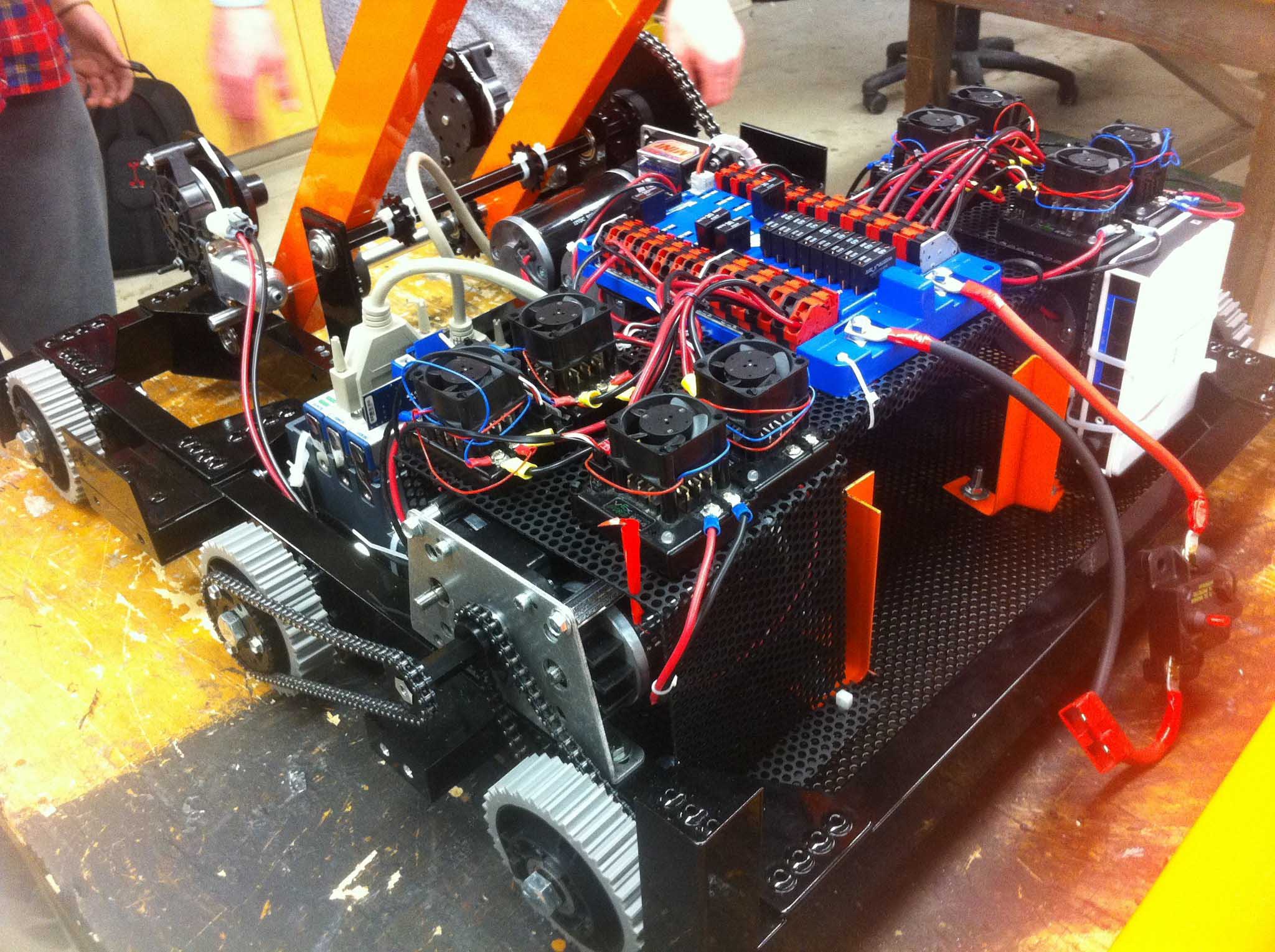
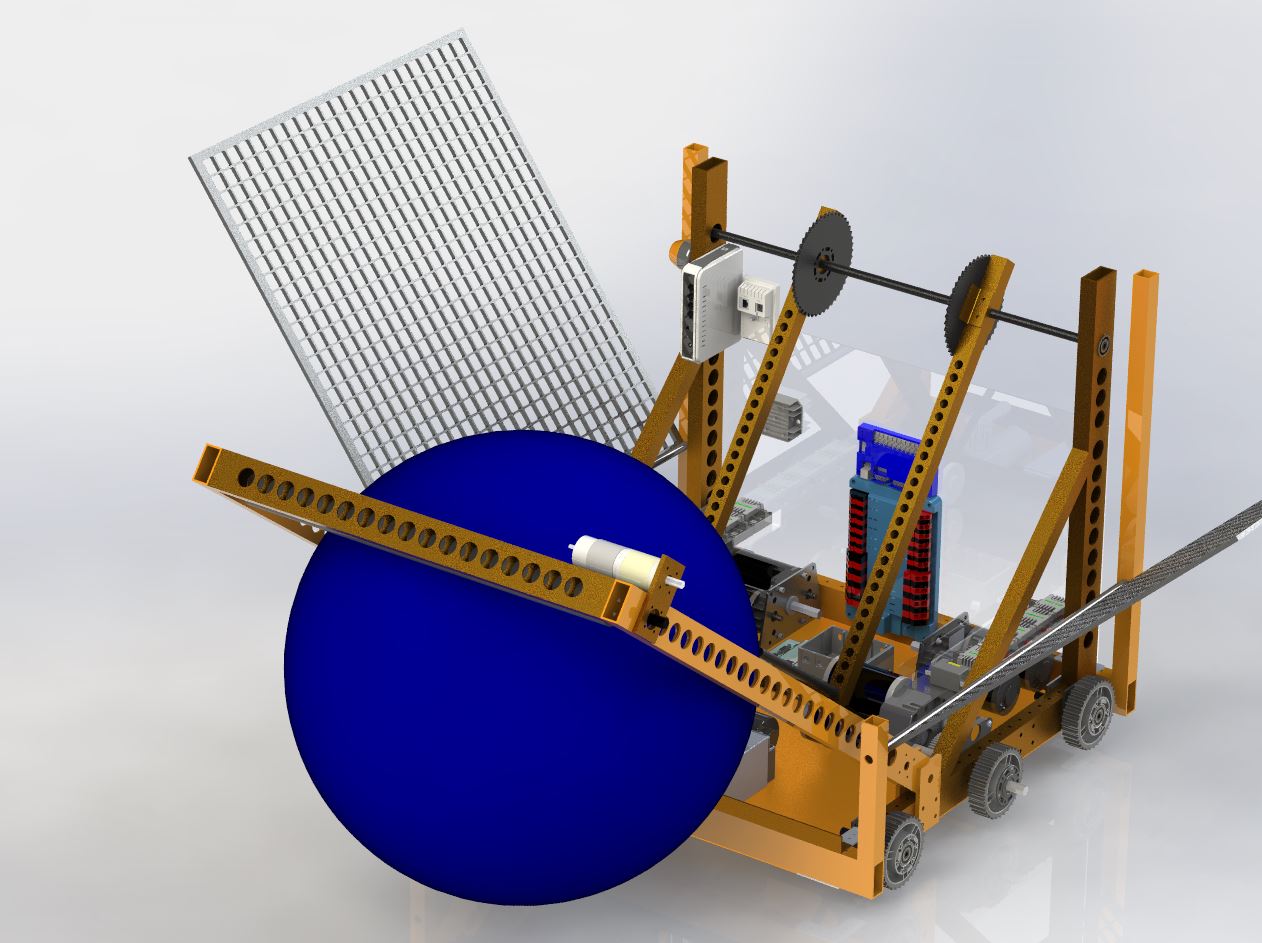
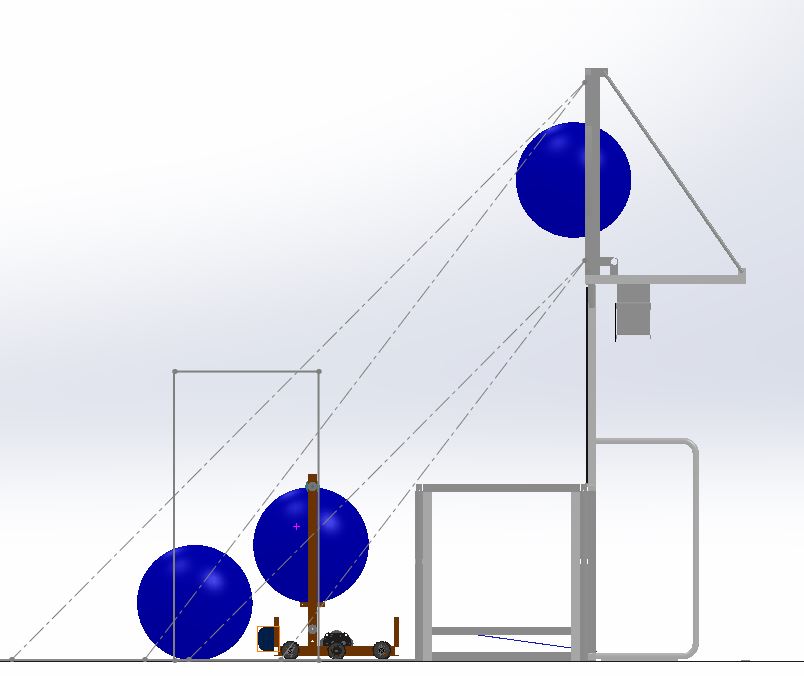
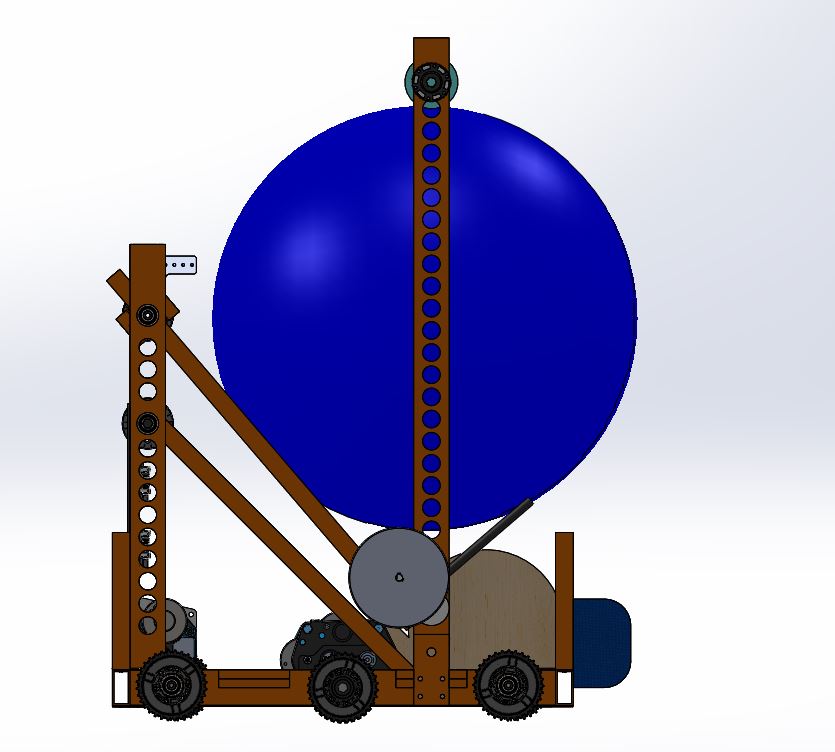
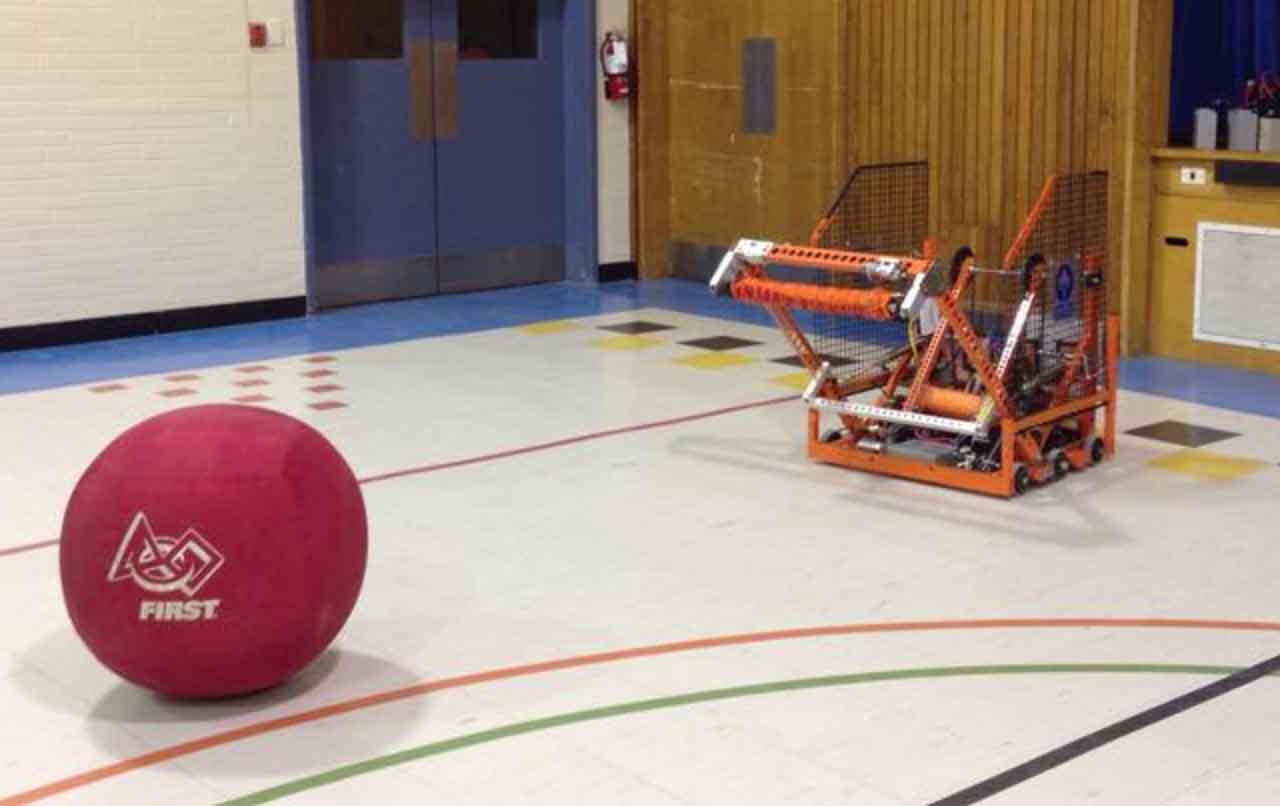
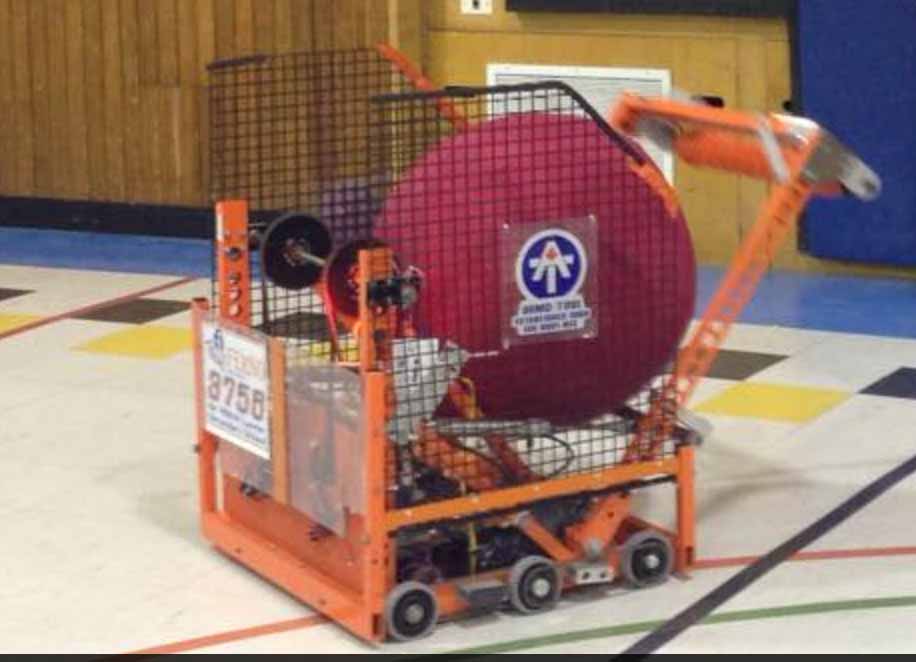
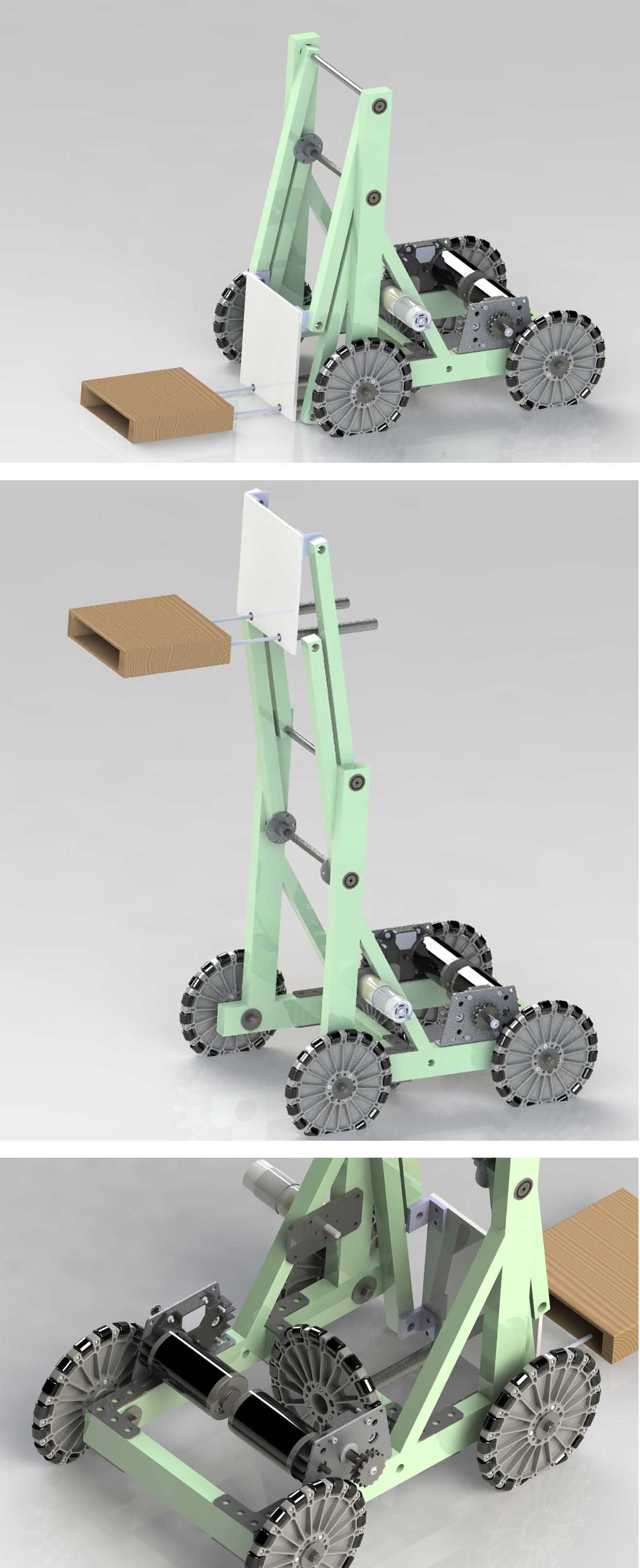
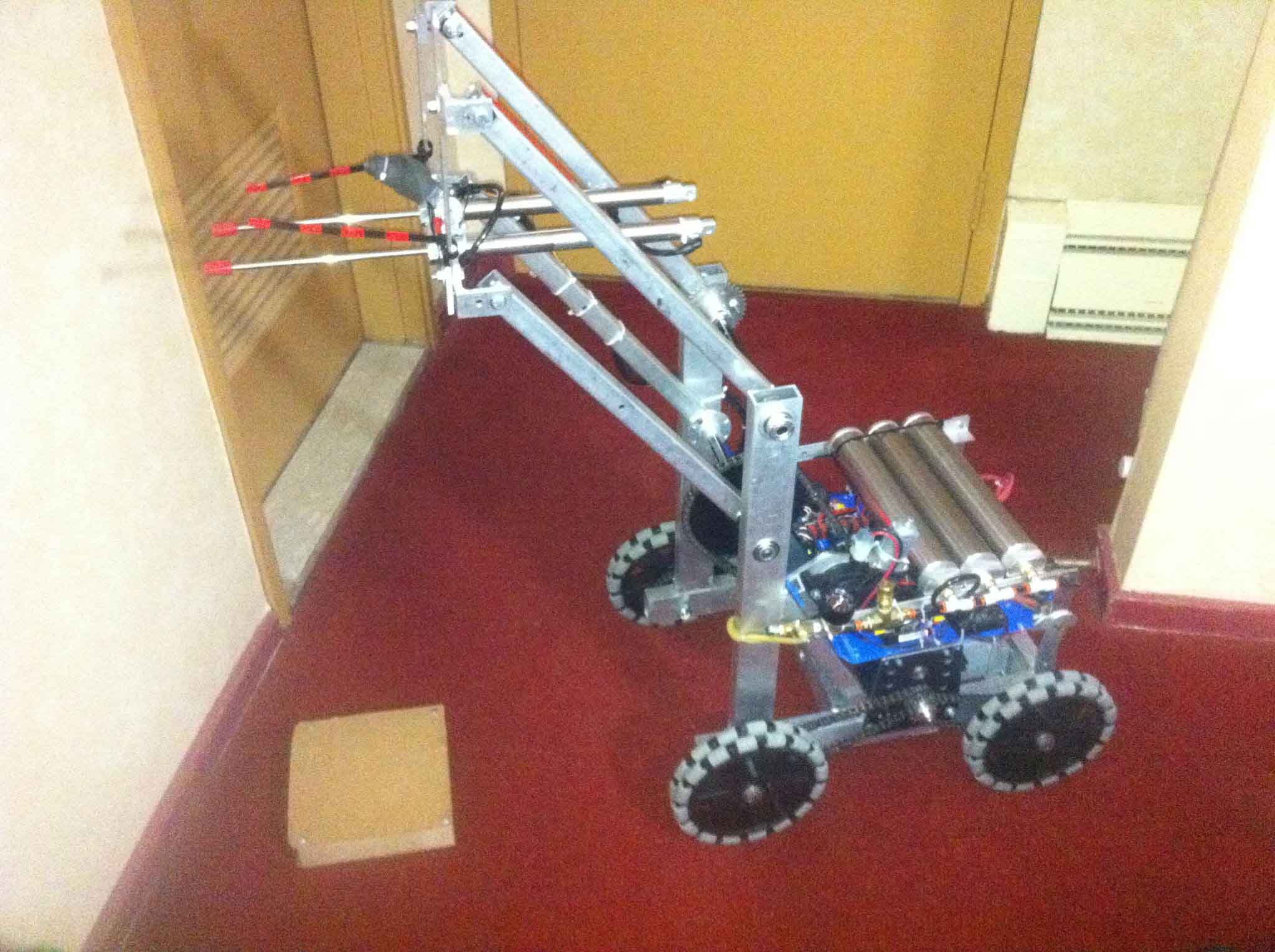
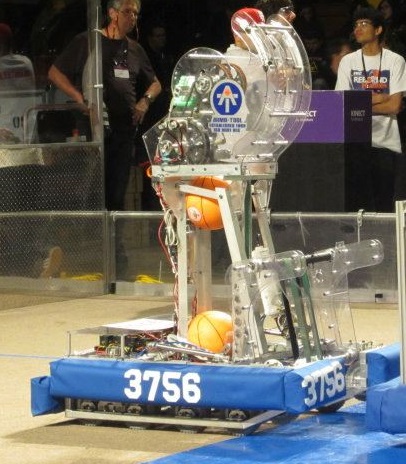
Competition Robotics 2011-17
Hockey Trainer Prototype using Lasers 2017

CUTC 2016 Conferece Admin & Website 2016

Digital Sabbath Website 2015
TD Bank | Smart Greeting 2014
TD Bank | Smart Display 2014
MyoMote Gesture-Based Universal Remote Control 2013
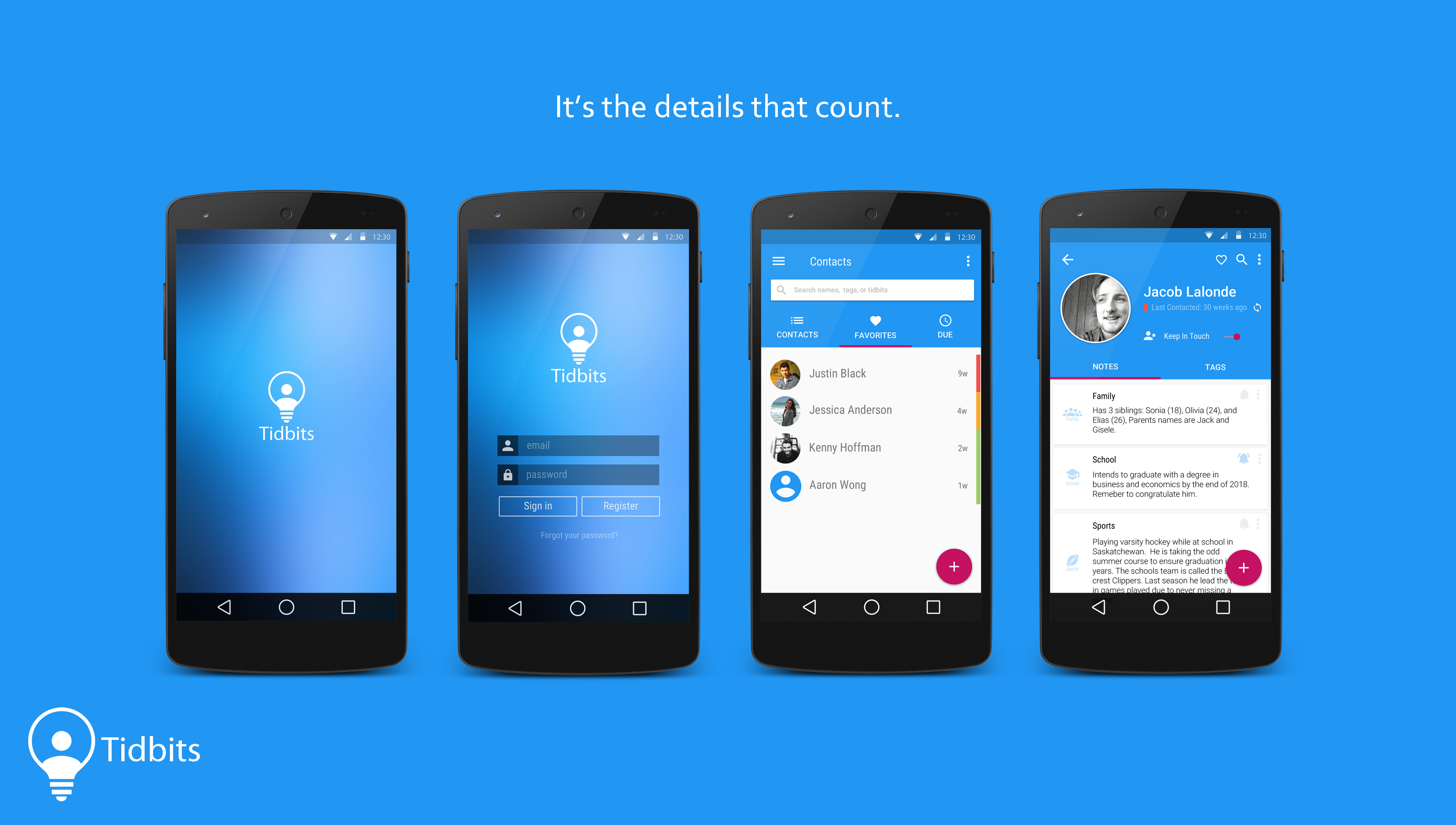
Tidbits Personal Relationship Manager 2012

HappyHeart Hackathon Project 2015
LiveLocal 2015
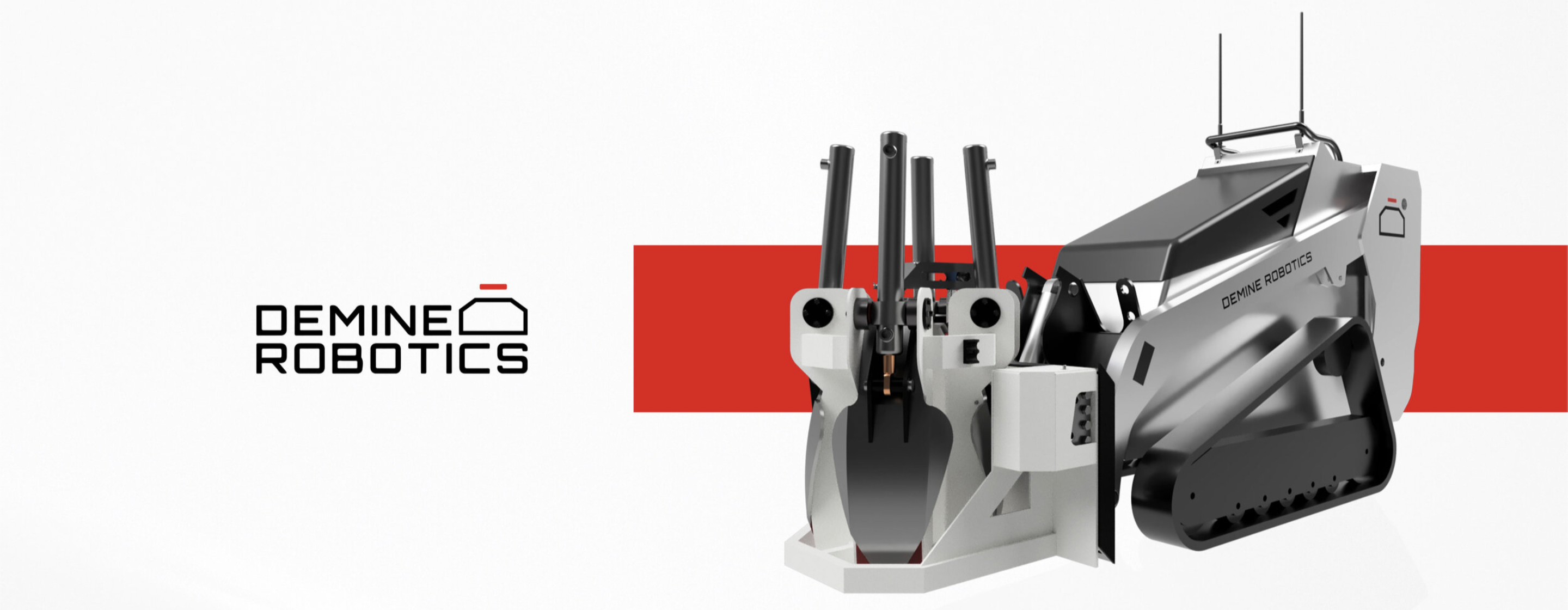
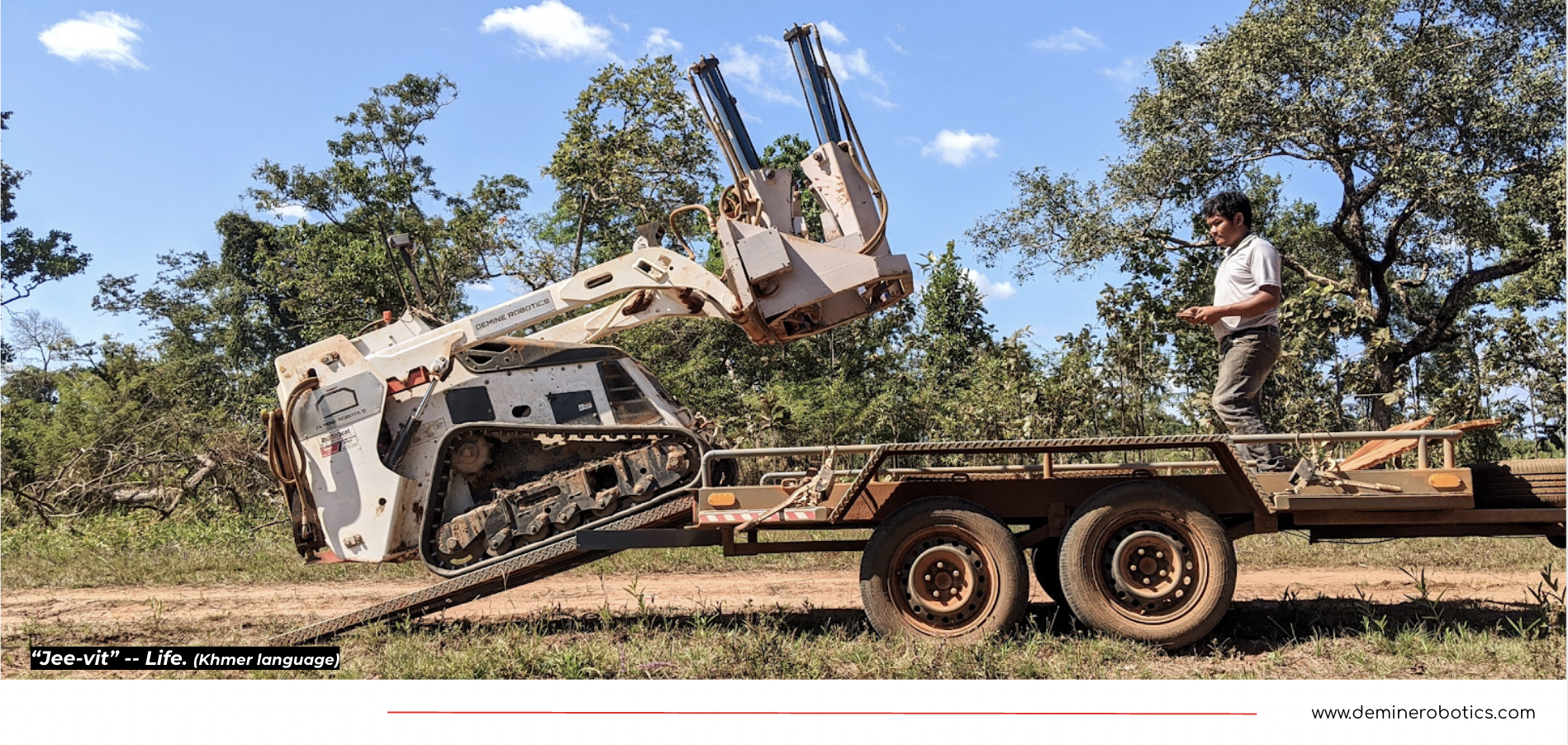
Demine Robotics provides tools to make landmine clearance faster and safer. As co-founder and CTO, I led a small, scrappy team in Cambodia through the prototyping, testing, and launch of two products: a remote control bomb excavation implement, and a remote control retrofit for the construction equipment the attachment is used on.
There are estimated to be more than 40 million landmines and 100 million UXO still in the ground today. Most mines and UXO that are found are excavated by a deminer by hand -- using a trowel and a prod, and other similar tools.
The Jevit Mine Spade enables fast, safe excavation of mines using remotely operated equipment that keeps the deminer out of harms way.
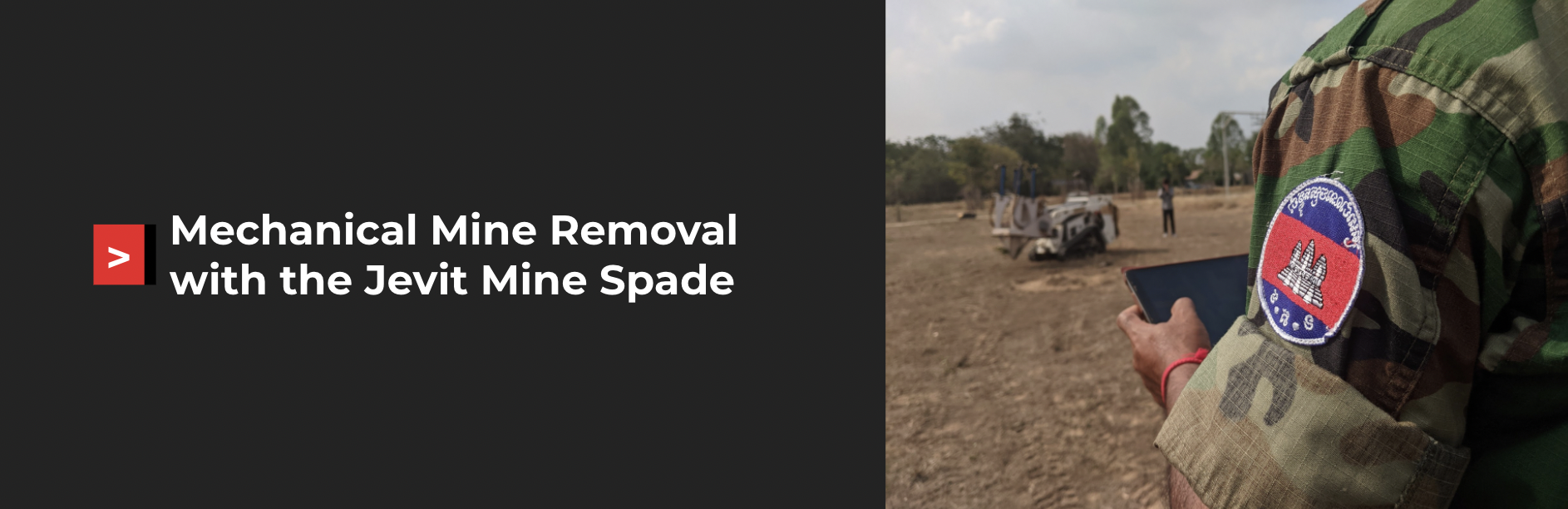
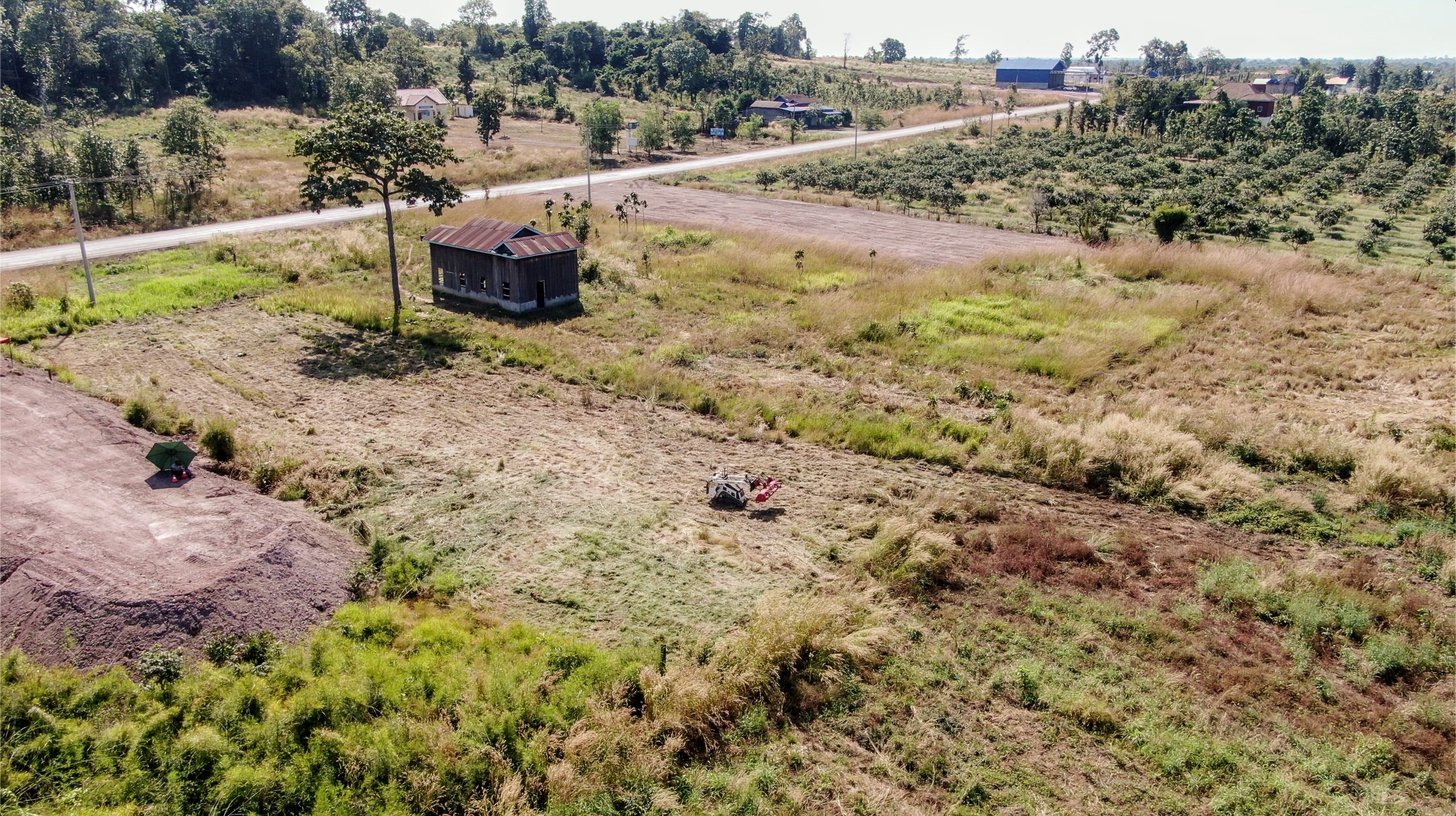
In 2021 we completed field trails and received accreditation in Cambodia for our novel approach to removing mines from the ground. We launched clearance operations that have since freed 100,000 m2 (25 acres) of land previously containing mines and UXO.
Creating the Jevit Mine Spade and Jevit Camera Kit required working across domains including embedded systems, electric and hydraulic actuators, video streaming, android development, wireless comms, and UI/UX design.
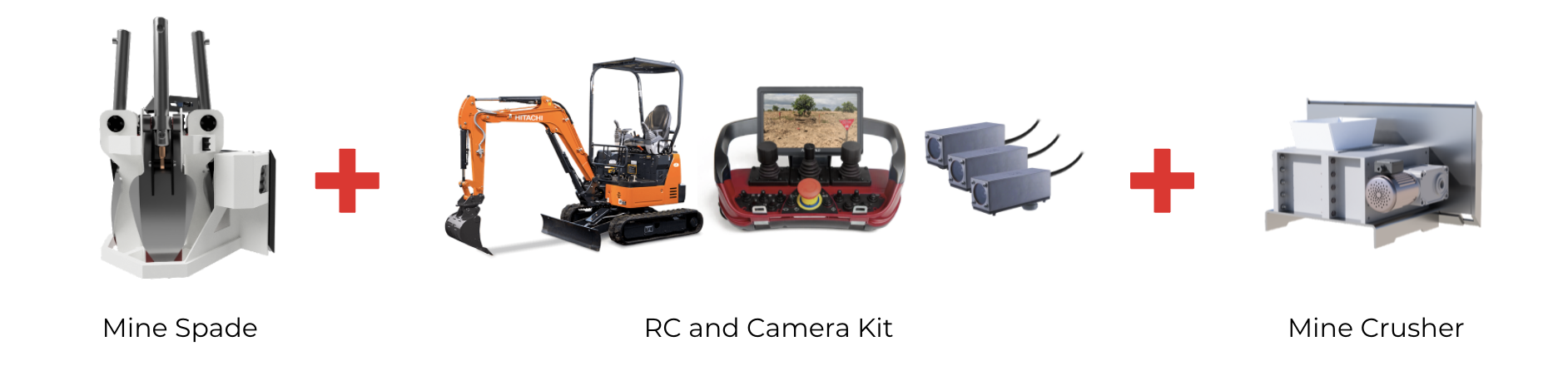
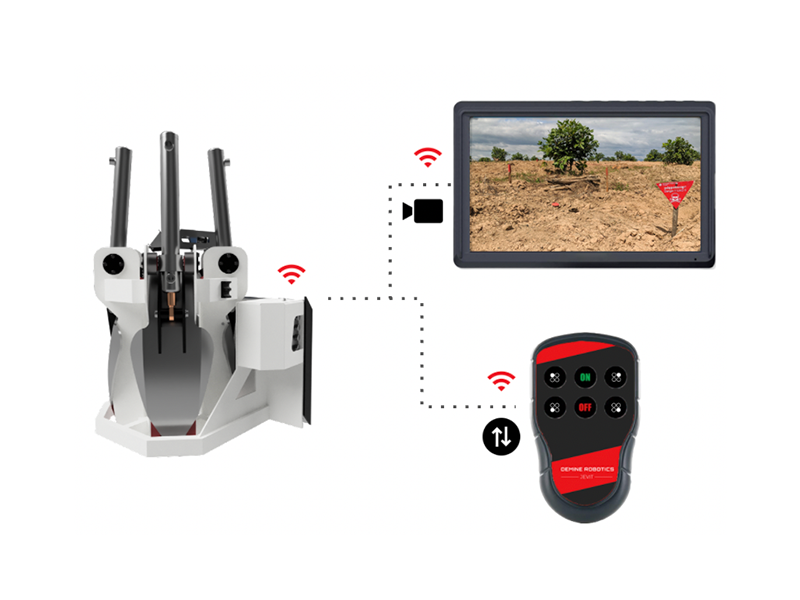
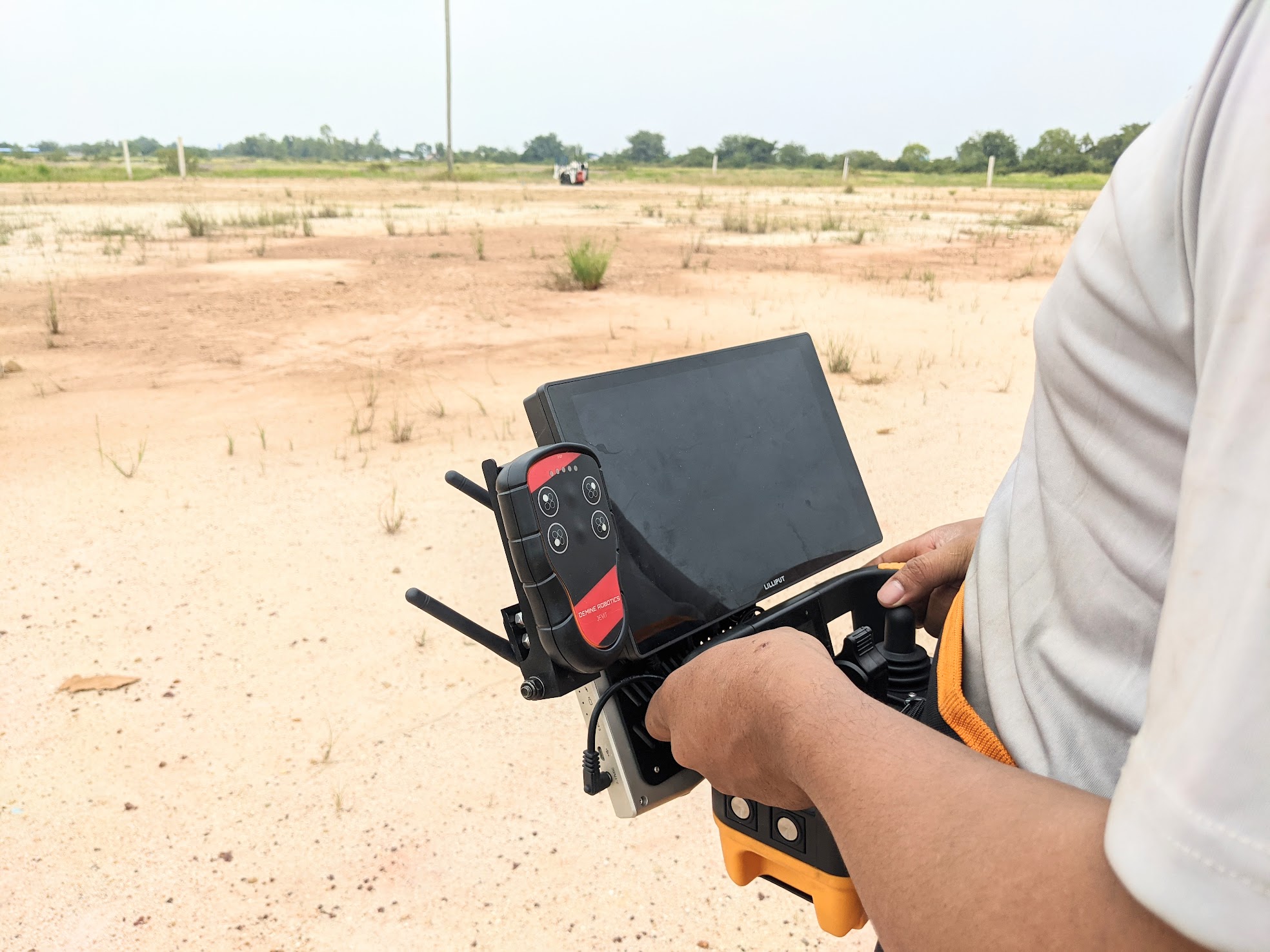
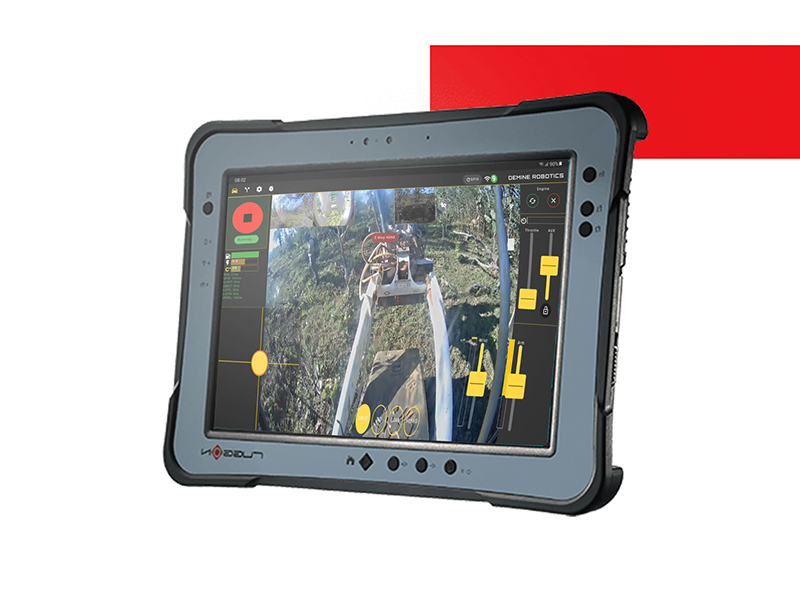
Our tools are in operation in Ratanakiri, Cambodia - a large province bordering Vietnam that is heavily contaminated from the Vietnam war.
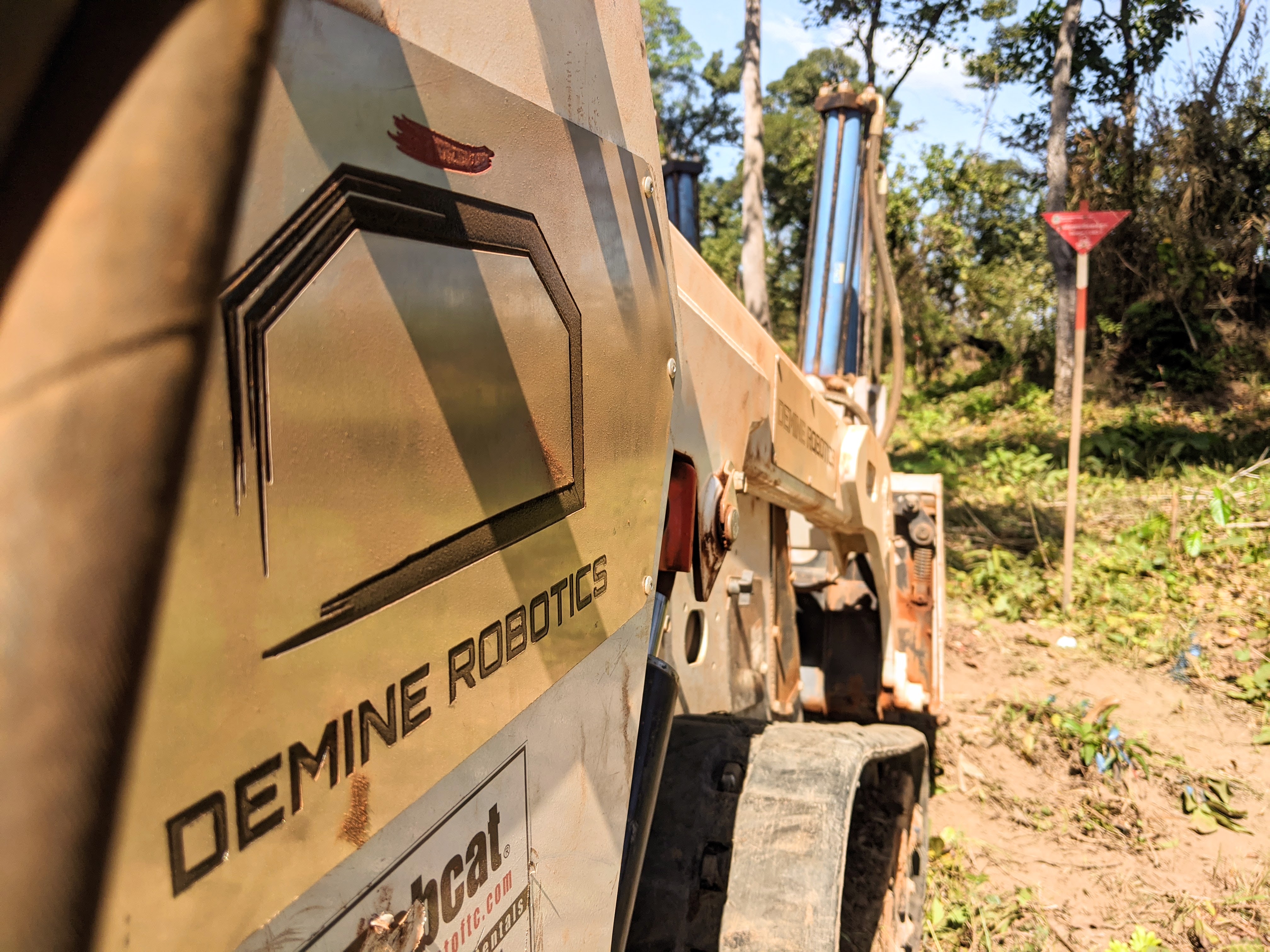
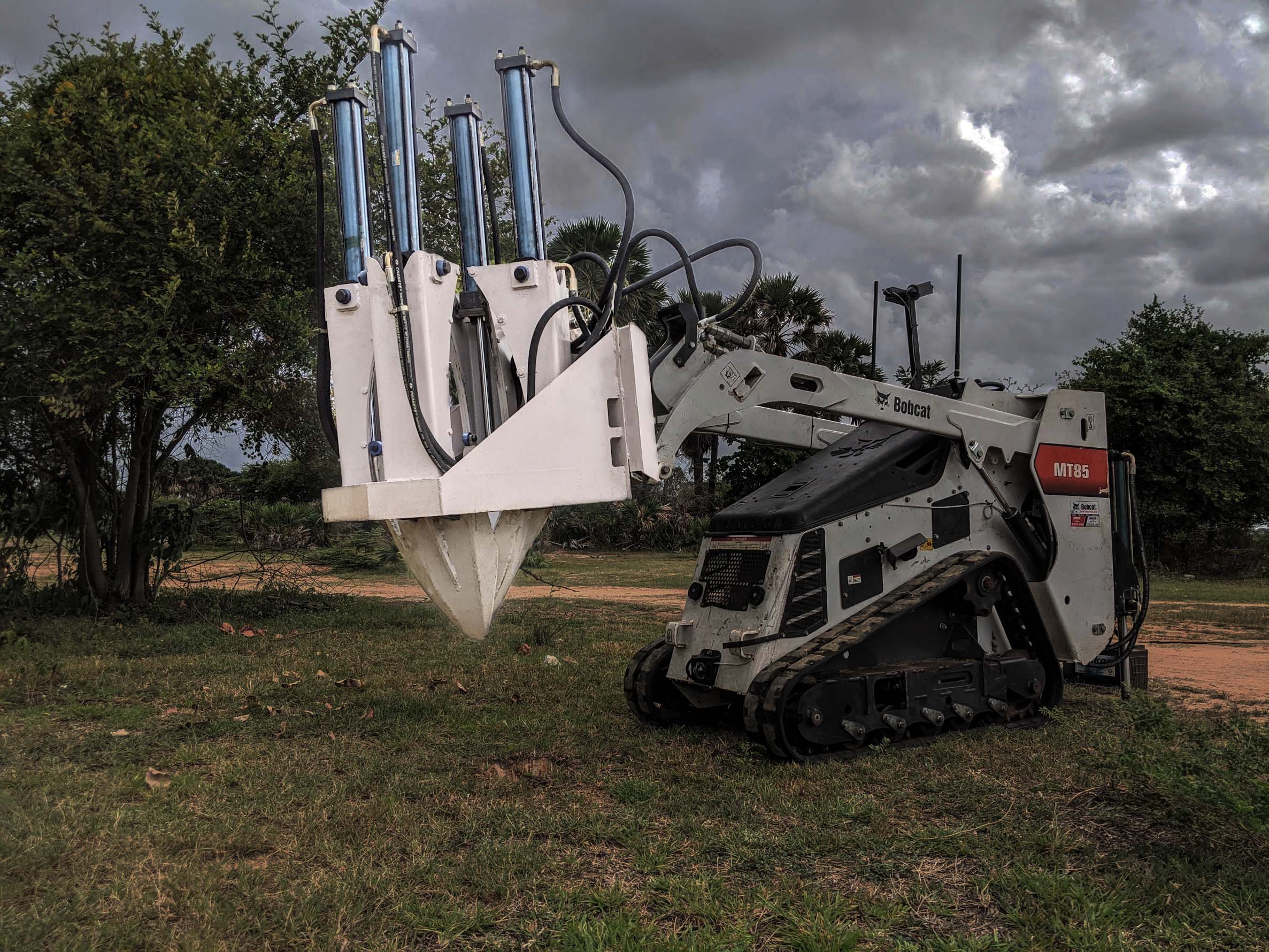
Mines and UXO are often found near buildings, roads, or trees and need to be relocated for demolition. Our tools allow the operator to remotely excavate and move the explosive.
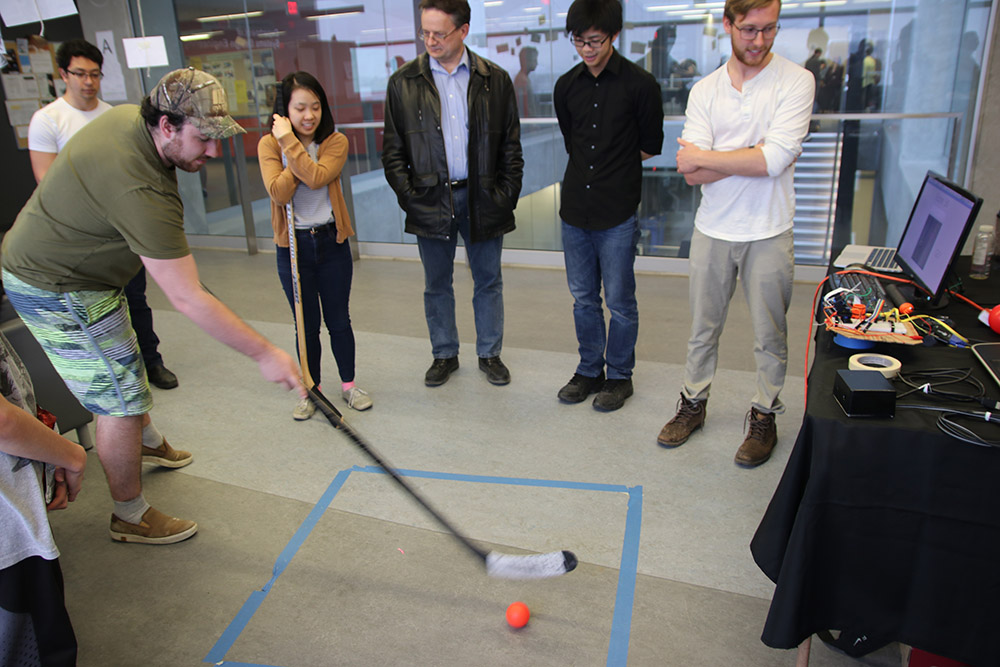
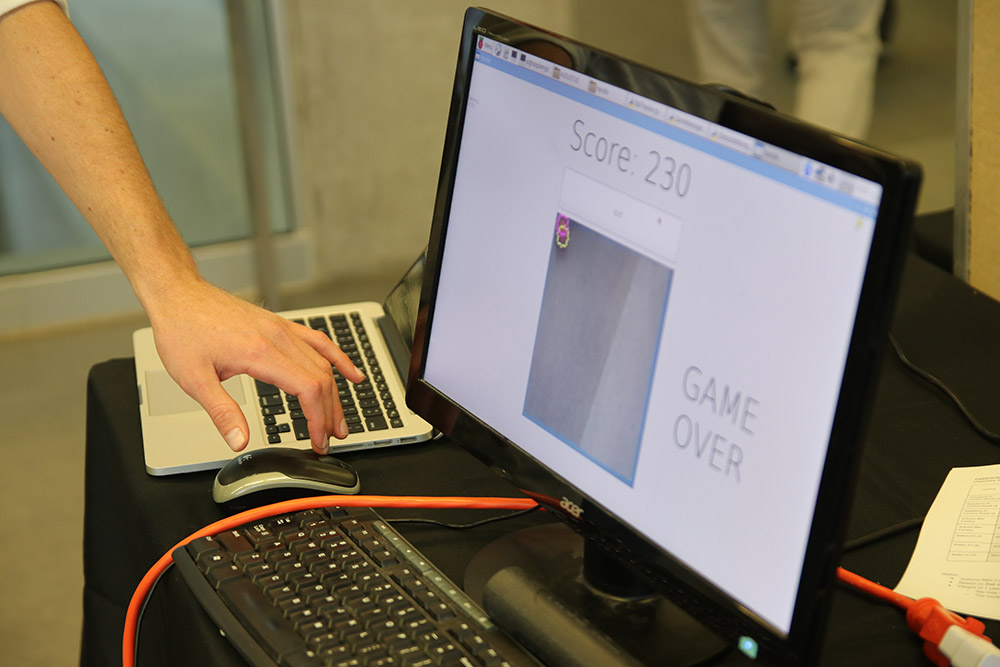
Handle was built as a design project along with some of my awesome classmates last term. It's a game where you stickhanle a ball within the square on the floor, keeping it away from the moving laser.
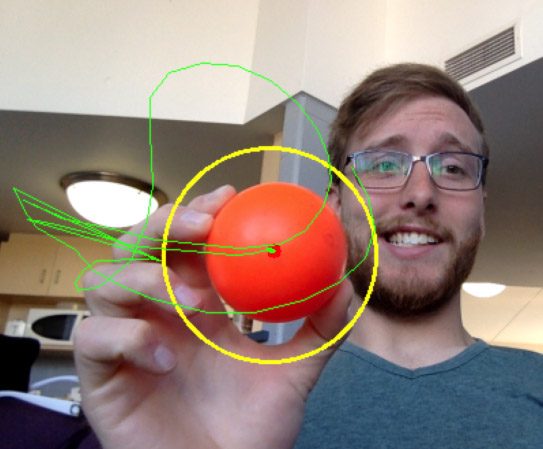
There were two portions to the vision processing. The first is object tracking, or in this case "big orange ball tracking", demonstrated alongside my corny smile:
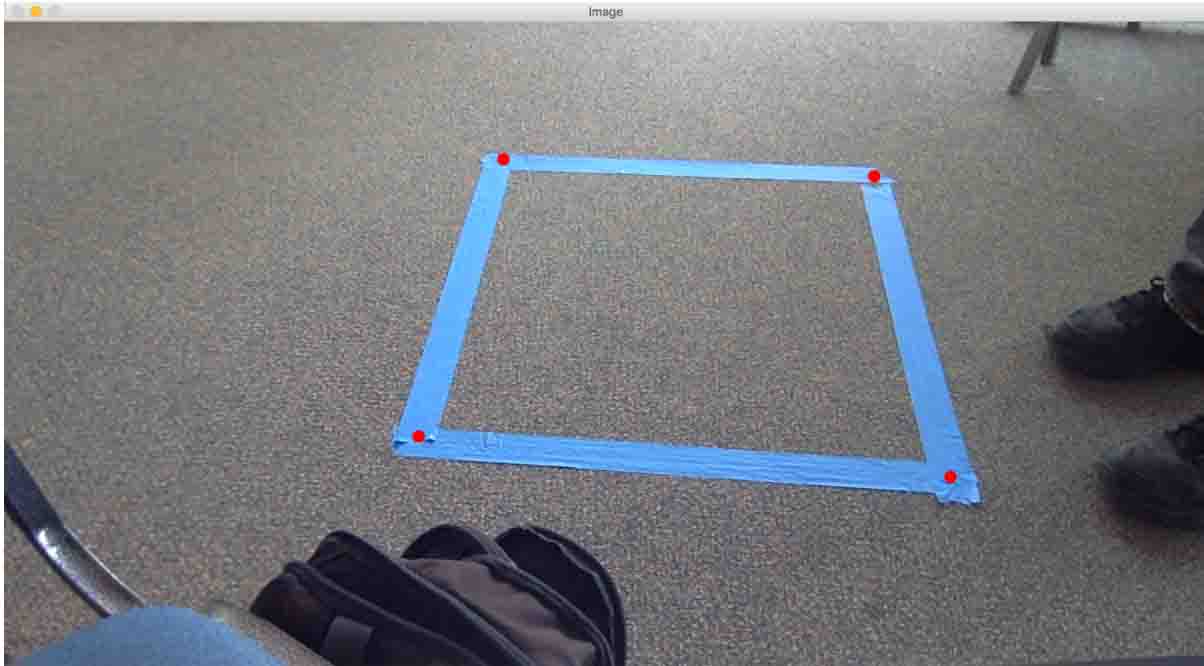
The second part is applying a transformation to the camera input to correct the distortion that results from an skewed angle. The camera doesn't see this square as a square:
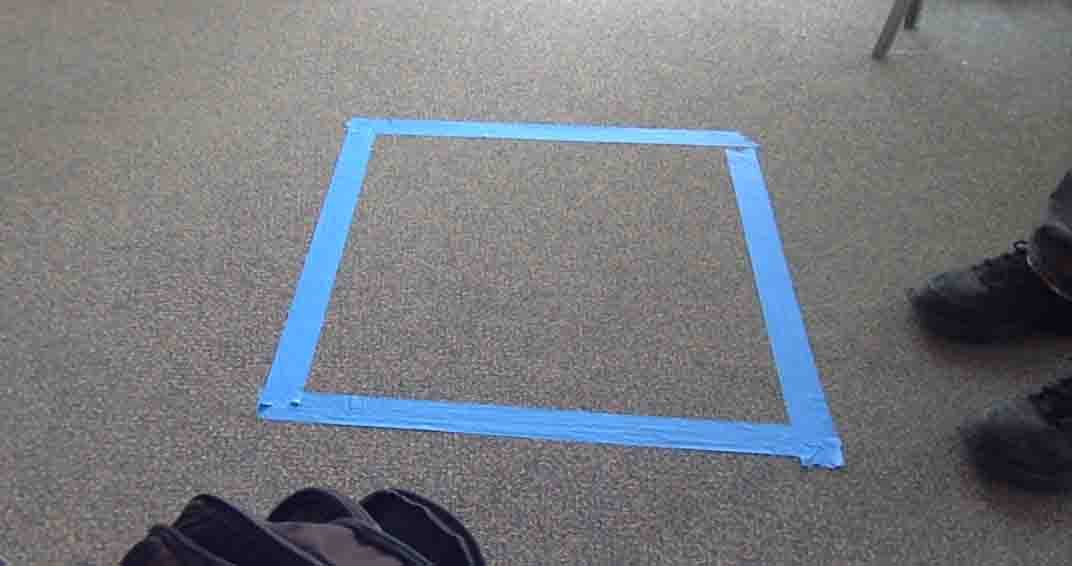
Fear not! Drop a couple of dots on those corner coordinates and let a little bit of linear algebra do the rest!
And just like that, we're left with a true square. This now directly maps to the virtual playing area, where the real-world laser obstacle moving along the floor is mirrored by a moving circle on the screen.
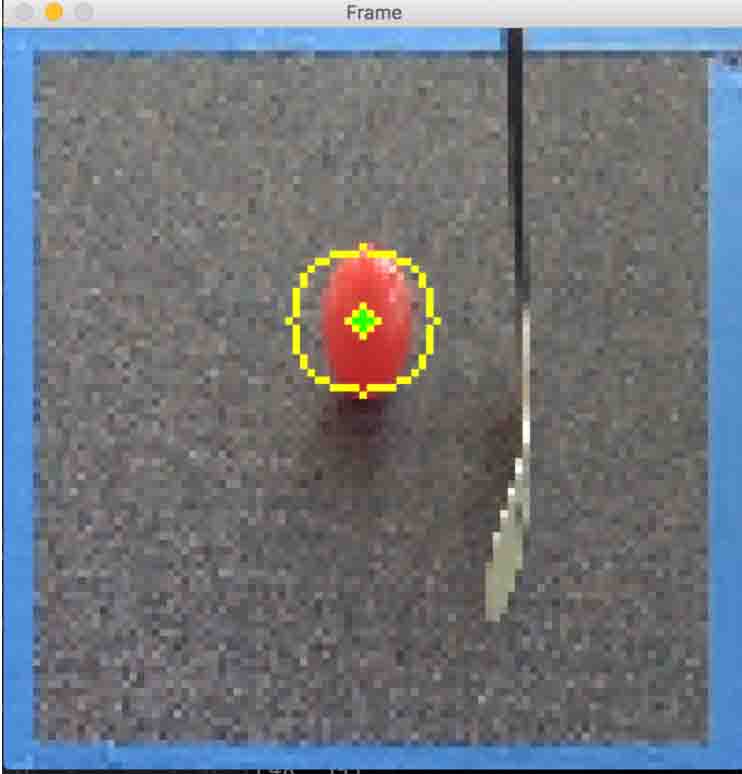
The software is watching for collisions and controlling the pattern of the obstacle. The longer you survive, the higher your score!
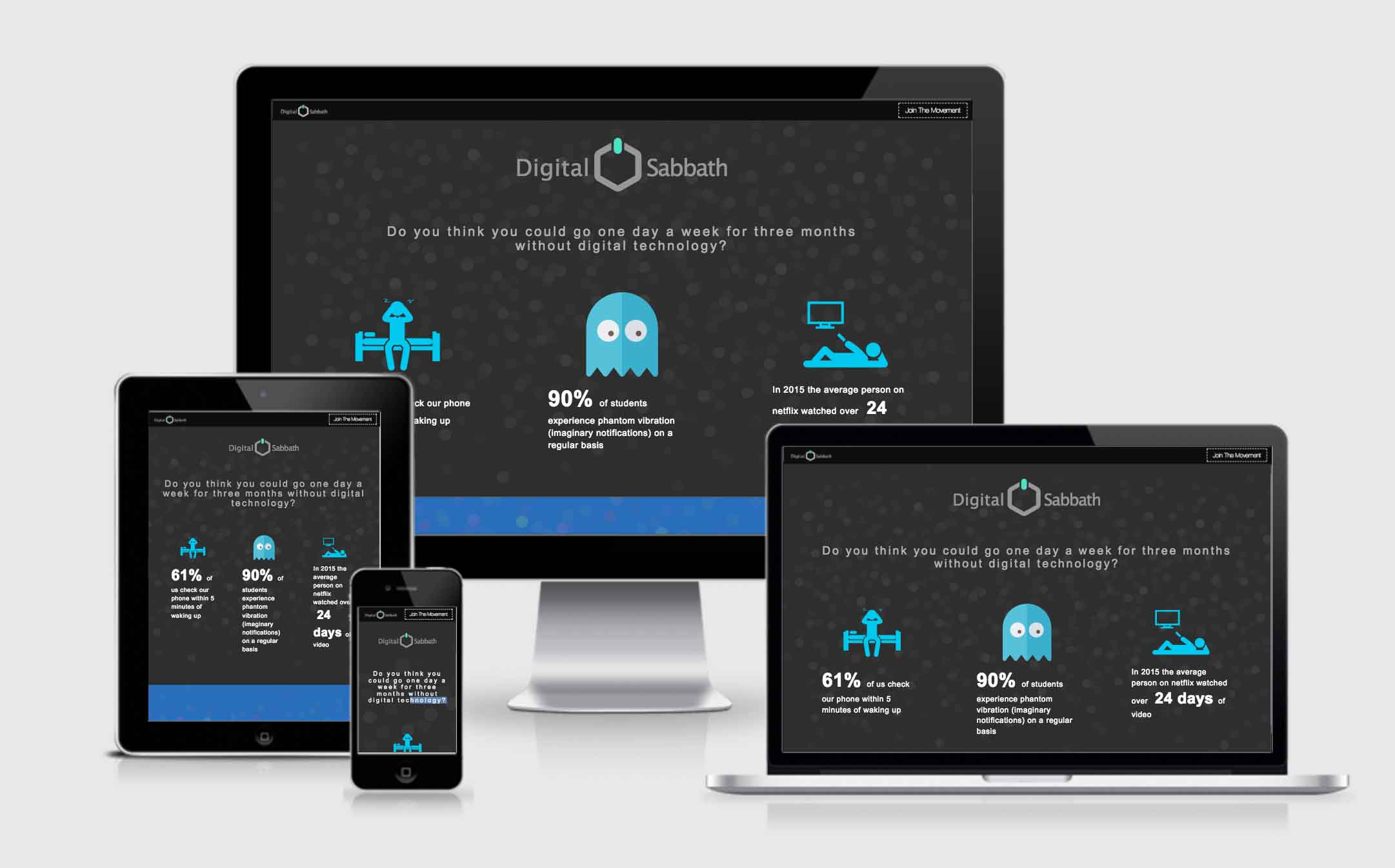
Digital Sabbath is a campaign to encourage everyone to take a much needed break from technology - and in turn to fight digital addiction. This was an idea that stemmed from a FaithTech meetup, and is now part of FaithTech Labs.
Check it out at digitalsabbath.io!
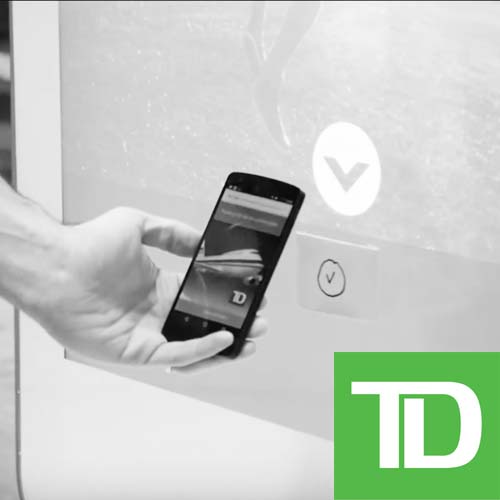
Smart display is an experiment in how to effectively provide dynamic and interactive content that is personalized for TD customers. It uses Bluetooth beacons and the customers' phones to determine what content should be displayed on the screen at a given time to best appeal to the customer. If they are interested in the content, they can tap the NFC enabled screen with their phone to 'capture' an interactive version of the ad.
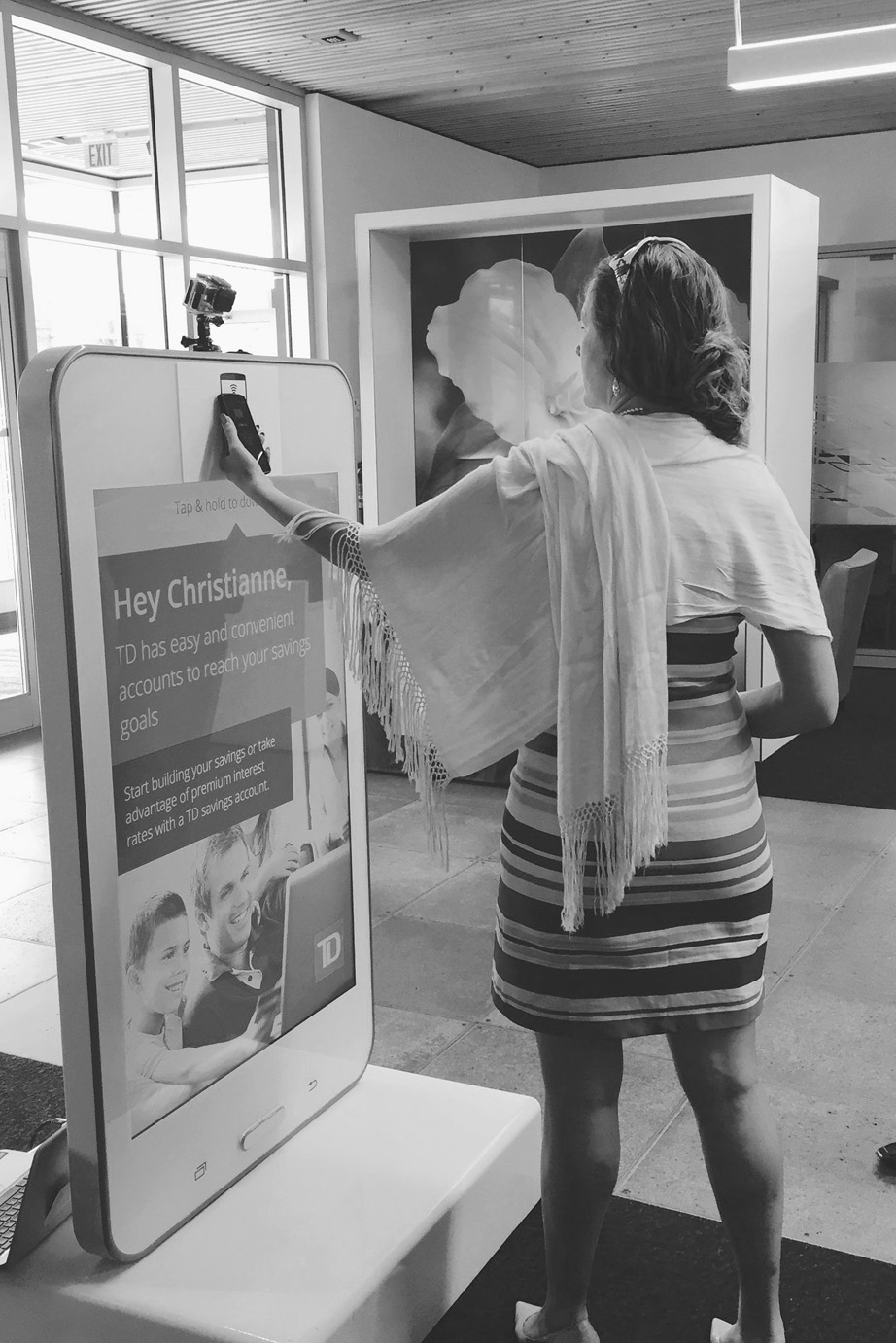
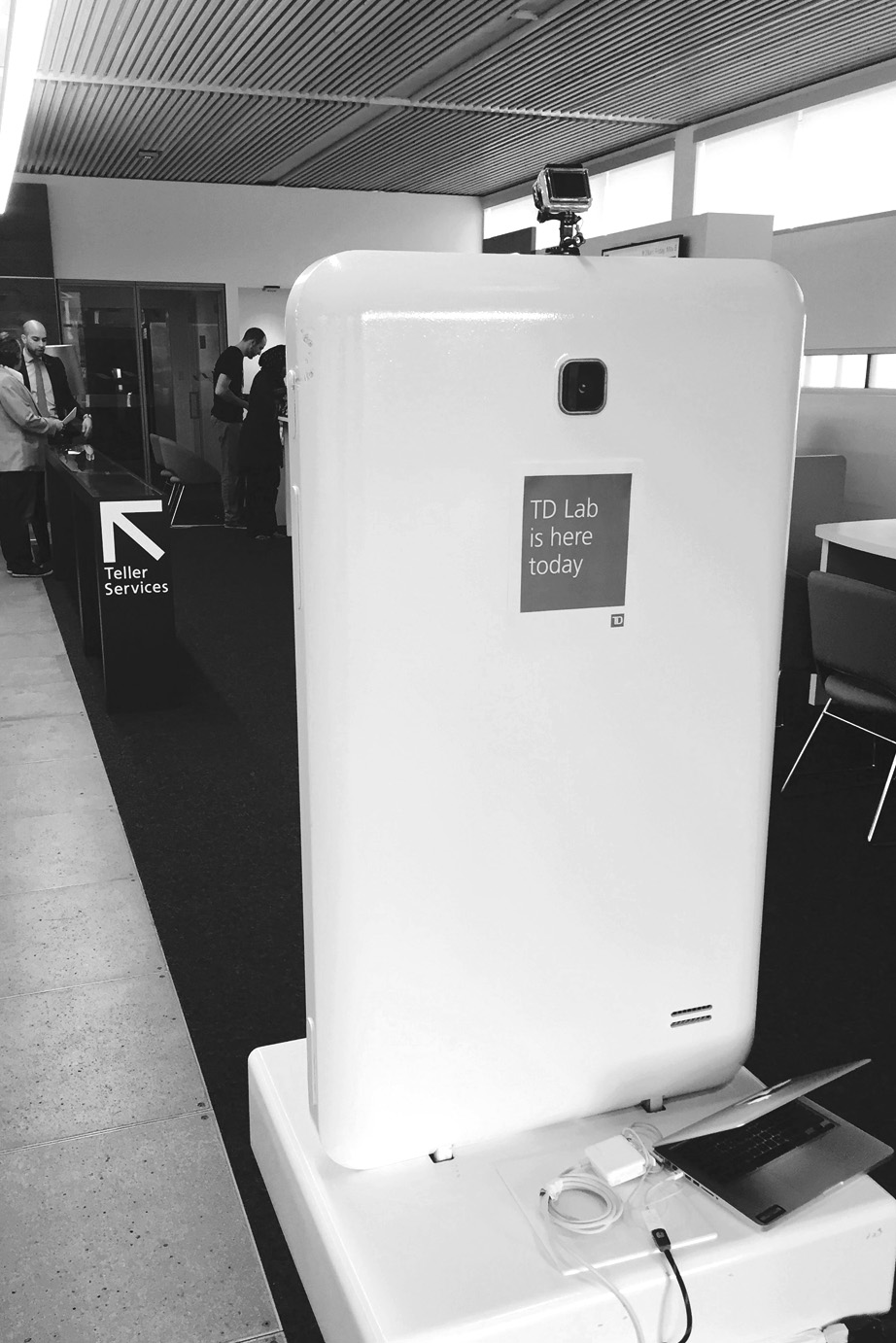
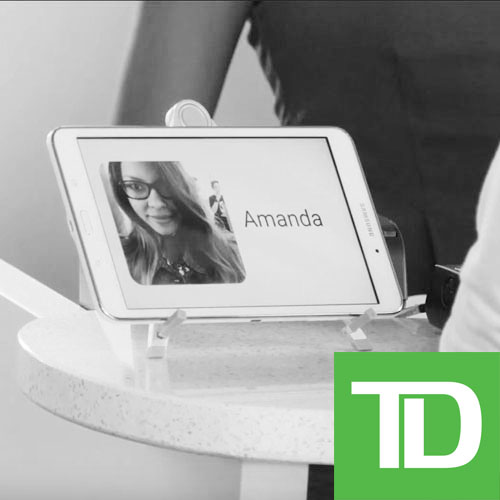
Smart Greeting was built during my time at TD Lab.
HappyHeart, an anxiety attack tracking app was built at Hack@Brown 2016 for iOS and web, utilizing the heartrate sensor on the Microsoft Band. Our team placed in the top 10, and were awarded Best Data Visualization.
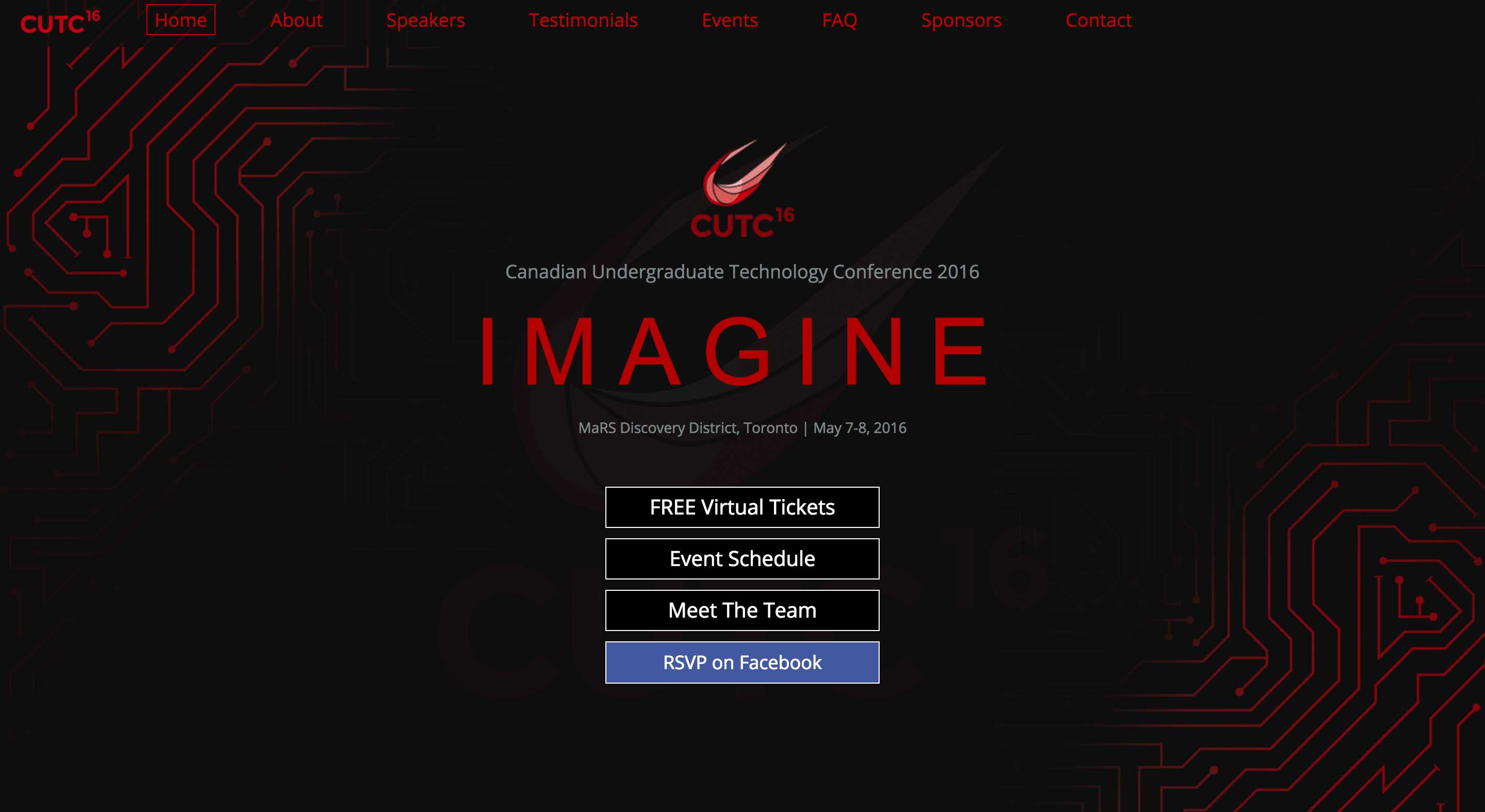
As the Director of Technology for CUTC 2016, my role was to put technology to work for conference planning, marketing, ticketing, and execution. A big piece of this was the CUTC: Imagine Website.
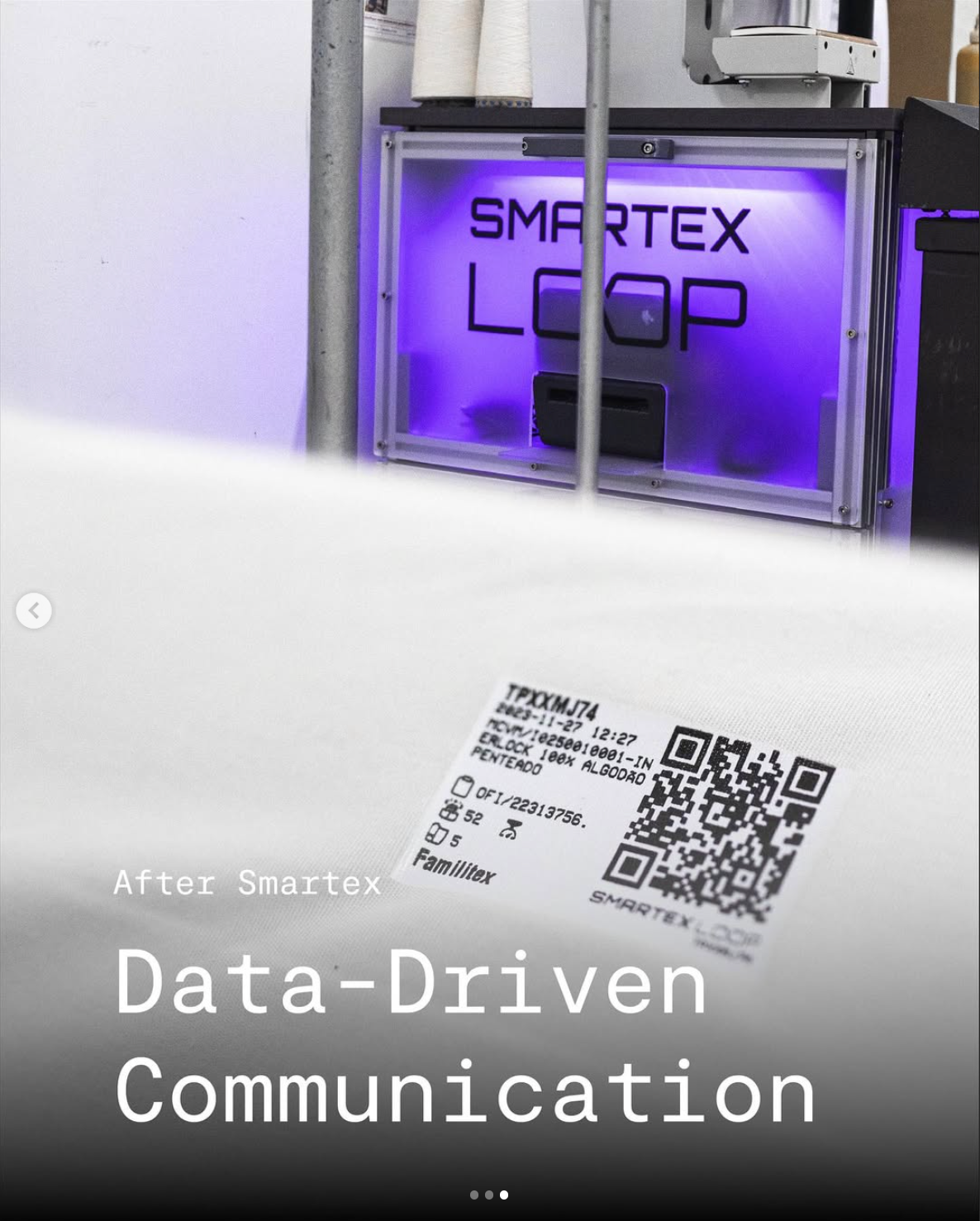
Try it out! Scan a real roll's QR code in the photo above!☝️🔎✨
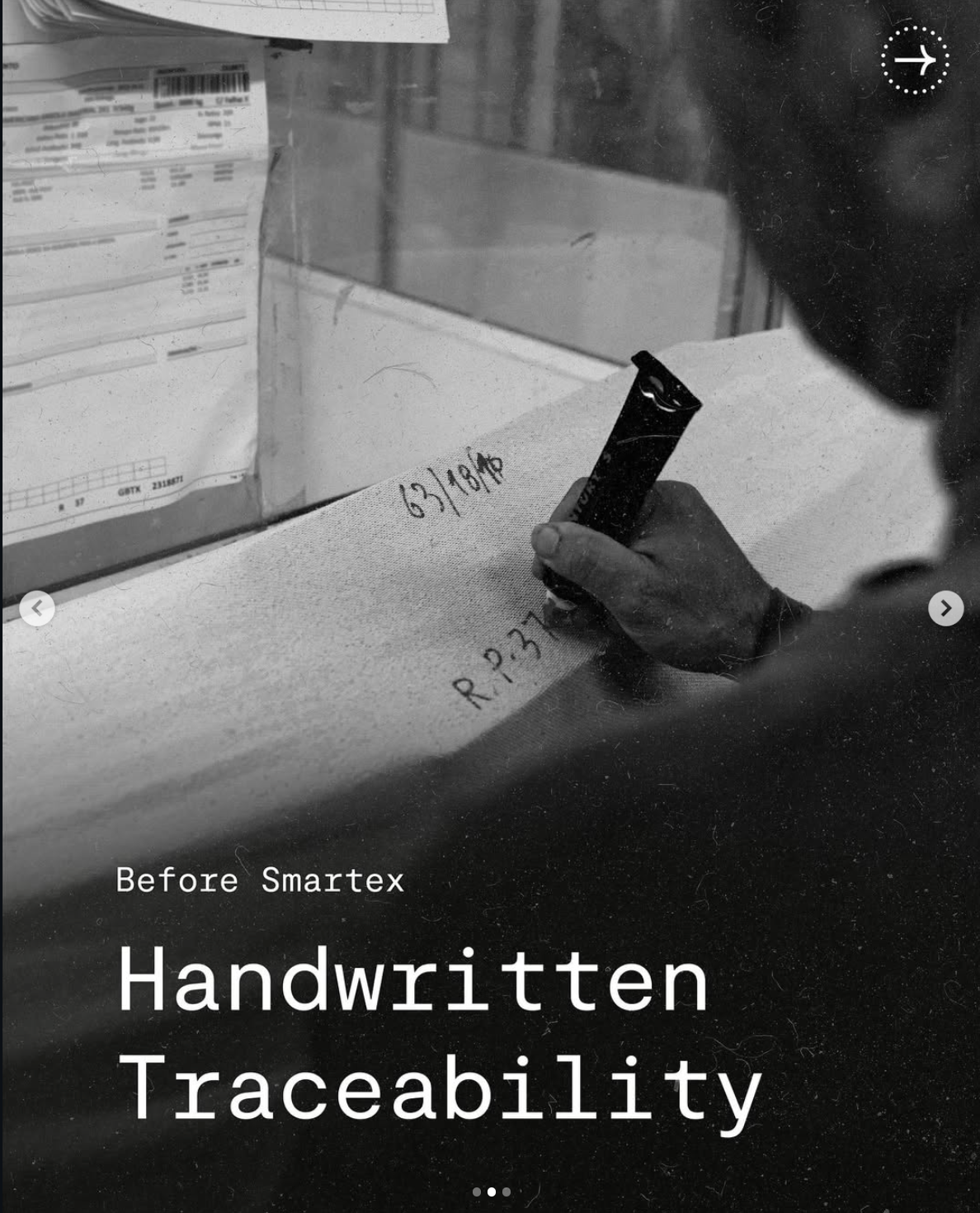
The textile industry struggles with traceability. When a defect is found in finished fabric, it's often impossible to trace it back to its source — which machine, which operator, which batch of raw material. Without this visibility, factories can't fix root causes, and waste continues to pile up.
Loop solves this by tracking every meter of fabric through the production process. I led the full-stack development of this product at Smartex, including an in-factory "Loop Station" and a web dashboard for production managers.
The Loop Station runs on Android tablets using React Native, generating roll IDs and associating the physical roll with digital production data. The web app, built with Angular and NestJS, gives factory managers real-time visibility into their production flow.
Loop is live in factories across three countries, tracing millions of meters of fabric every year.